Cabarrus County FY 2027 Adopted Budget
Introduction
Board of Commissioners, GFOA award, organization chart, reader's guide, county profile, and strategic planning.
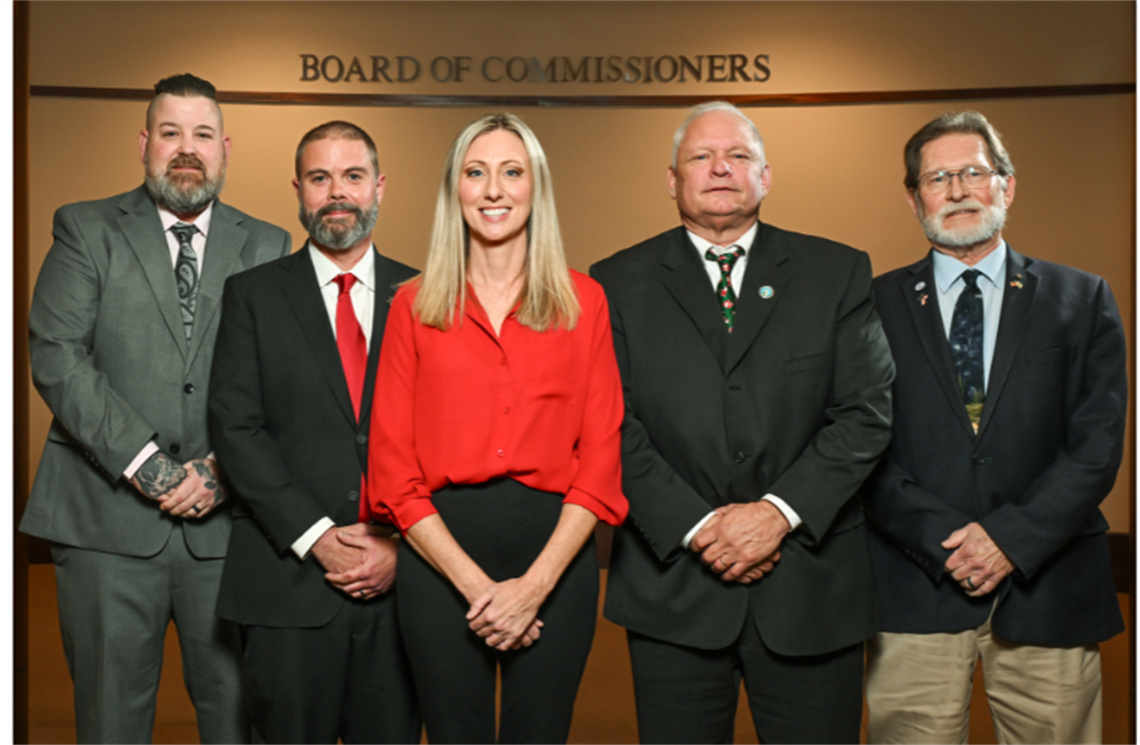
Board of Commissioners
Left to Right
Wortman, Patrick, Lindsey, Jones, Pittman
LAURA BLACKWELL LINDSEY (CHAIR) IAN PATRICK (VICE CHAIR) LARRY PITTMAN JEFF JONES KENNETH WORTMAN
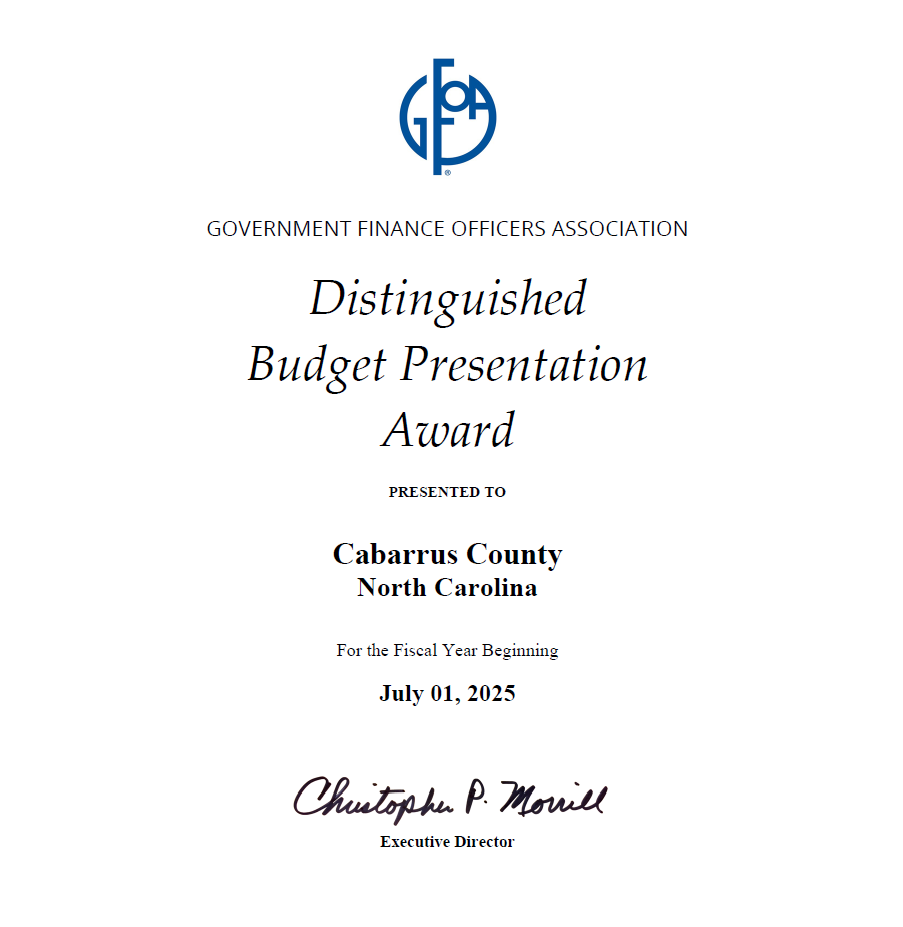
The Government Finance Officers Association of the United States and Canada (GFOA) presented a Distinguished Budget Presentation Award to Cabarrus County, North Carolina for its annual budget for the fiscal year beginning July 1, 2025. In order to receive this award, a governmental unit must publish a budget document that meets program criteria as a policy document, as an operations guide, as a financial plan and as a communications device. The award is valid for a period of one year only. We believe our current budget continues to conform to program requirements, and we are submitting it to GFOA to determine its eligibility for another award.
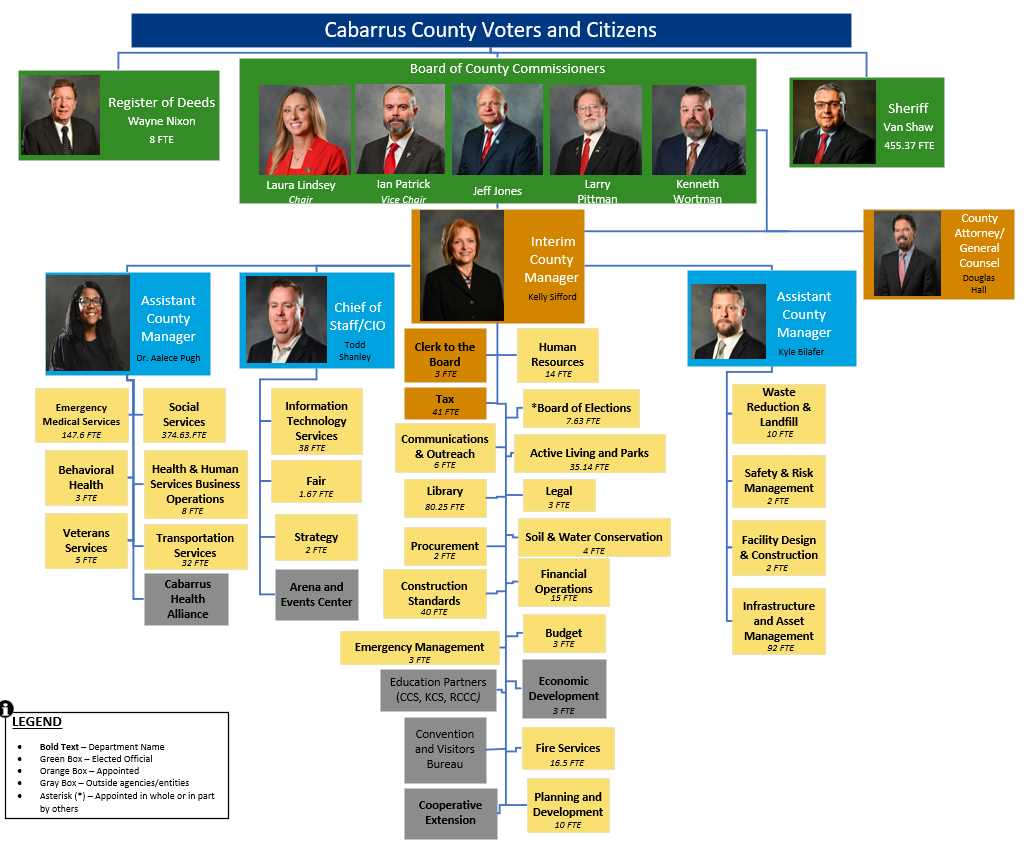
Cabarrus County Organization Chart
Readers Guide
The information contained in this document is intended to accomplish the following:
- Explain how tax dollars are used
- Enhance accountability
- Promote transparency
- Describe departments and programs
- Inform the Board of Commissioners
The Fiscal Year 2027 (FY27) Budget goes from July 1, 2026 to June 30, 2027.
The following sections are included in the document:
Introduction
This section provides a Reader's Guide, County Profile and details of the strategic planning process.
Budget Message
This section provides the County Manager's overview of the FY27 Budget. The budget message explains funding priorities for the year focusing on new funding.
Financial Structure, Policy & Process
This section provides the fund structure, fund relationships, financial policies and budget process.
Budget Summary
This section provides a summary of revenues and expenditures.
Fund Summaries
This section provides a summary of the county's funds including:
- General Fund
- Community Investment Fund
- Landfill Fund
- 911 Emergency Telephone Fund
- Cabarrus Arena and Events Fund
- Fire Districts Fund
- Social Services Fund
- Intergovernmental Fund
- Workers Compensation and Liability Fund
- Health and Dental Insurance Fund
- Opioid Settlement Fund
Position Summary
This section provides position information by department. In addition, this section includes new positions funded.
Five Year Financial Plan
This section provides a forecast of revenues and expenditures over a five-year period for the general fund.
Capital Improvement Plan
This section provides the Capital Improvement Plan (CIP) for a five-year period. The CIP funds large construction and repair projects for the county. Projects for Cabarrus County Schools, Kannapolis City Schools and Rowan-Cabarrus Community College (RCCC) are also included.
Education
This section provides information on funding for Cabarrus County Schools, Kannapolis City Schools and Rowan-Cabarrus Community College.
Debt Service
This section provides the county's current and future debt obligations. It also includes the county's legal debt margin.
Supplemental Information
This section provides the supplemental information such as a glossary.
Profile of Cabarrus County
The County, incorporated in 1792, is in the Piedmont section of the State of North Carolina and is bordered on the north by Rowan and Iredell counties, on the east by Stanly County, on the south by Union County and on the west by Mecklenburg County; it comprises approximately 230,400 acres. There are six municipalities in the County, the largest of which is the City of Concord, also the County seat. Concord is approximately 124 miles from the City of Raleigh, North Carolina and 18 miles northeast of the City of Charlotte, North Carolina. The second largest municipality is the City of Kannapolis. The Towns of Mount Pleasant, Harrisburg, Midland and Locust are smaller municipalities in the County. The United States Census Bureau estimated a county population of 249,725 as of July 2025, making the County the 9th largest in North Carolina. The County is empowered to levy a property tax on both real and personal property located within its boundaries.
The County has operated under the Board of Commissioners-County Manager form of government since 1976. Policy-making and legislative authority are vested in a governing board consisting of five commissioners. The governing board is responsible for, among other things, passing ordinances, adopting the budget, appointing committees and hiring the county manager, clerk to the board, tax administrator and county attorney. The County Manager serves as the chief executive and is responsible for carrying out the policies and ordinances of the governing board, for overseeing the day-to-day operations of the government and for appointing the heads of the various departments. Board members are elected on a partisan basis serving four-year staggered terms, with new members (two or three) elected every two years.
The annual budget is the foundation for the County's financial planning and control. All agencies of the County are required to submit requests for appropriation to the County Manager on or before the end of March each year. The County Manager uses these requests as the starting point for developing a recommended budget. The Board of Commissioners must adopt a final budget no later than June 30, the close of the County's fiscal year.
LOCAL ECONOMY
The County is one of 10 counties located in the Charlotte-Gastonia-Concord, NCSC Metropolitan Statistical Area (the "Charlotte MSA"), which consists of Cabarrus, Gaston, Iredell, Lincoln, Mecklenburg, Rowan and Union counties in North Carolina and Chester, Lancaster and York counties in South Carolina. The Charlotte MSA, anchored by the City of Charlotte, was the 22nd largest metropolitan statistical area in the United States as of the 2020 census. The County's rapid growth, largely attributable to the County's position in the Charlotte metropolitan region, strong labor force and favorable environmental conditions have continued during this period of uneven national economic indicators. The County has worked with the municipalities to address short-range and long-range planning to provide the necessary infrastructure to accommodate current and anticipated growth and economic development efforts.
The Cabarrus Economic Development Corporation
The Cabarrus Economic Development Corporation (the "CEDC"), which operates with a fulltime staff, serves as the County's primary recruiting and marketing entity for new business. The Cabarrus EDC makes a measurable impact on individuals and families through program partnerships for local start-ups, support of existing businesses and recruitment of new industry. This includes supporting incubators for entrepreneurs, facilitating growth of existing business and keeping an inventory of available sites for business recruitment. All of these efforts position the County for continued strong economic development.
Historically, the County's economy was primarily dependent on agriculture and the textile industry, but the County's proximity to Charlotte and access to major interstate highways have helped diversify the County's economy through investments in biotechnology, healthcare, manufacturing, industrial and business parks, warehousing and distribution, entertainment and hospitality, retail and aviation.
Healthcare
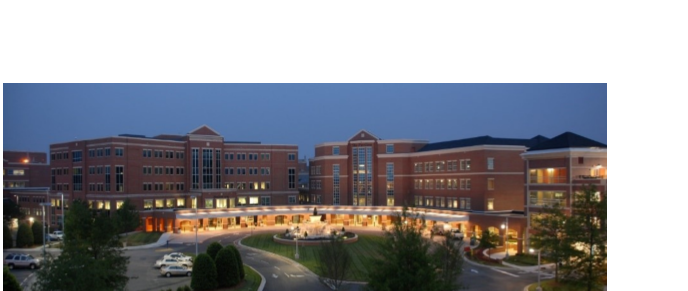
Atrium, which is now known as Advocate Health, is a nationally recognized leader in shaping health outcomes through innovative research, education, and compassionate patient care. Based in Charlotte, North Carolina, Atrium Health is an integrated, nonprofit health system with more than 55,000 employees serving patients at 36 hospitals as well as 44 urgent care locations. Atrium Health Cabarrus, located in Concord, is the largest employer in the County.
The 457-bed medical center serves a five-county region with more than 4,200 employees serving in more than 30 facilities throughout the region. Atrium Health Cabarrus (Advocate Health) is the fourth largest hospital facility in the Advocate Health (formerly Atrium Health) network of healthcare facilities, which is the largest healthcare system in North Carolina and South Carolina. Additionally, it is third largest public, multi-hospital system in the United States. Atrium Health Cabarrus provides a full range of tertiary and surgical services for residents of the County and surrounding counties. It has a Level III Trauma Center, The Jeff Gordon Children's Hospital, The Mariam Cannon Hayes Women's Center, The Batte Cancer Center, and other specialized services and facilities. In August 2018, the hospital opened a new state-of-the-art heart and vascular tower costing $115 million to house The Sanger Heart & Vascular Institute. Atrium Health Cabarrus has also built satellite facilities in Kannapolis and Harrisburg.
Cabarrus Health Alliance (CHA)
is the public health entity serving Cabarrus County. Created by the Cabarrus County Board of Commissioners effective July 1, 1997, CHA operates as a public hospital authority pursuant to North Carolina Session Law 1997-502, Section 12, for the purpose of providing local public health services to Cabarrus County residents. As a public hospital authority, CHA functions as a governmental entity with a degree of operational and financial independence from Cabarrus County. The organization has authority to manage its own budget and financial affairs, including borrowing funds, entering into contracts, and hiring employees and legal counsel. Governance oversight is provided through a Board of Commissioners-appointed governing board, with the Cabarrus County Board of Commissioners retaining authority to appoint and remove board members. Through its public health programs, clinical services, prevention initiatives, and community partnerships, CHA works to protect and improve the health and well-being of Cabarrus County residents.
BIOTECHNOLOGY AND DOWNTOWN KANNAPOLIS REVITALIZATION
The North Carolina Research Campus situated on 350-acres in downtown Kannapolis, the Research Campus houses seven major North Carolina universities focusing on biotechnology and nutrition research. At the center of the Research Campus is the 311,000 square foot David H. Murdock Core Laboratory, which houses the David H. Murdock Research Institute, Dole Food Company, NC Food Innovation Lab, and Endev Laboratories. Other facilities include the Cabarrus Health Alliance, Rowan-Cabarrus Community College Biotechnology Training Center, Greenhouse Facility and the Kannapolis City Hall and Police Headquarters.
Kannapolis Downtown Revitalization Project
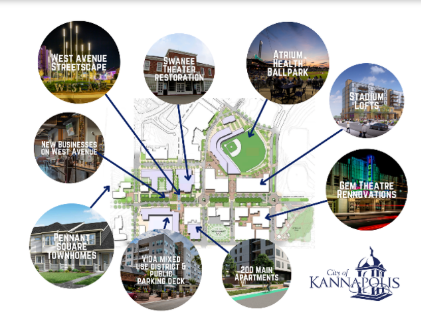
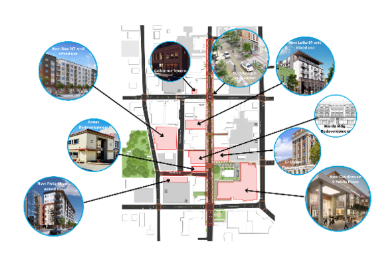
Kannapolis started a Downtown Revitalization project in 2016. Atrium Health Ballpark, home to minor league baseball's Kannapolis Cannon Ballers, is the centerpiece of the transformation along with the revamped West Avenue streetscape. The VIDA district includes 284 apartments, as well as commercial/retail space and a public parking deck. More than 30 businesses are now open on West Avenue including restaurants, boutiques, and a brewery. A mixed-use district located adjacent to the ballpark consisting of baseball operations offices, a restaurant, apartments is under construction.
DOWNTOWN CONCORD REVITALIZATION
Concord started a Downtown Revitalization project in 2020. Lansing Melbourne Group's Novi mixed-use projects represent an estimated $70 million of private investment and added nearly 300 new market-rate and workforce apartments, commercial retail space, and a rooftop restaurant space to the heart of downtown. The city's recent streetscape project has replaced aging utility infrastructure and improve pedestrian walkability, recreation, and outdoor dining opportunities. In early 2023, the County's new courthouse and public plaza opened with a newly renovated 1975 courthouse that serve as a prominent feature in the downtown landscape.
Manufacturing
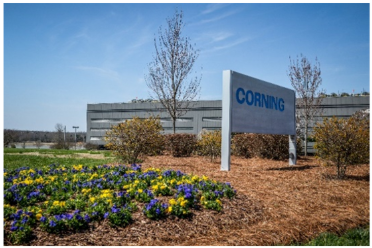
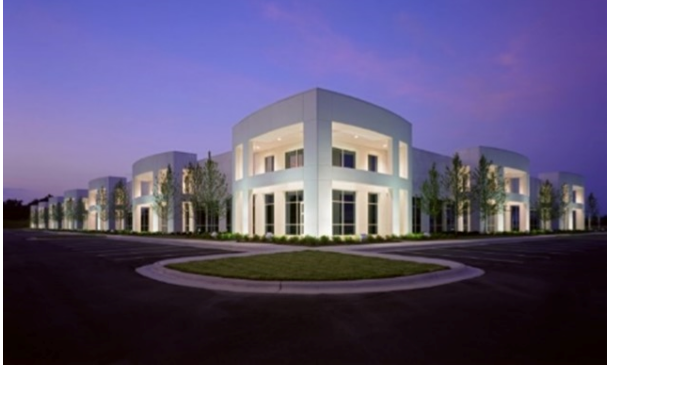
The principal products manufactured in the County include optical fiber, plastic extrusion, food processing, concrete products, lumber and wood, specialized coloring, fabricated metal and machinery products, corrugated packaging, pharmaceuticals, automobile parts and racing electronics. One of the largest of these manufacturers is Corning. Corning, Inc.'s fiber optics facility is in the southeastern part of the County and is the world's largest producer of fiber optic wire. Corning is continuing to increase its manufacturing numbers. One of the largest industrial/manufacturing properties in the state, which encompasses over 2,100 acres, lies in the City of Concord. The manufacturing site has land on both sides of U.S. 29 and much of the property is still available for new development and is being marketed as The Grounds at Concord. Since 2019, the Cabarrus EDC has announced over $2 billion dollars of new investment and over 1,800 new jobs at the site, including manufacturing facilities for Eli Lilly and Red Bull. Eli Lilly has produced more investment than initially expected and are currently manufacturing pharmaceuticals. The Red Bull facility has broken ground and is officially under construction. The property is adjacent to George Liles Parkway, which has been extended/improved and provides a four-lane connector to U.S. 29, I-85, N.C. 73 and N.C. 3. In the future, the four-lane thoroughfare is planned to extend to NC 49.
INDUSTRY AND DISTRIBUTION
The County has strong industrial and distribution sectors. This strength is due, in large part, to geographic location within the larger MSA and the combination of road and rail service. In addition, the aviation sector is strong and growing (this is discussed in a separate section). The best way to summarize Industry and Distribution is by area including potential areas for growth in those sectors. The primary areas that are occupied and growing lie along the interstate corridor but there are also concentrations near Harrisburg and in the southern part of the County. In addition, there are areas with infrastructure in place, or being improved, that are available for continued growth.
The International Business Park (IBP) is located near an interchange on I-85. The owners of the IBP actively pursue private investment from around the world. IBP includes a mix of over 30 companies, the majority of which are global corporations. IBP has had constant activity over the last 25 plus years including recent lease up of speculative buildings, construction and occupancy of major distributions centers, the addition of manufacturing uses and has additional speculative buildings available for upfit. The County has strong industrial and distribution sectors. This strength is due, in large part, to geographic location within the larger MSA and the combination of road and rail service. In addition, the aviation sector is strong and growing (this is discussed in a separate section). The best way to summarize Industry and Distribution is by area including potential areas for growth in those sectors. The primary areas that are occupied and growing lie along the interstate corridor but there are also concentrations near Harrisburg and in the southern part of the County. In addition, there are areas with infrastructure in place, or being improved, that are available for continued growth.
There are additional concentrations of industry and distribution along the interstate corridor at Afton Ridge and the Derita Road area. Afton Ridge includes retail, residential and distribution center for S.P. Richards (200,000 square feet) and Gordon Foods (300,000 square feet) as well as an Amazon distribution facility. Along Derita Road in Concord, there is over 3 million square feet of industrial space occupied by various distribution and manufacturing operations. The West Winds Industrial Park is located on Derita Road directly across from the airport entrance. Tenants in West Winds Industrial Park include Westrock Coffee (formerly S & D Coffee and Tea) and NASCAR Research & Development as well as the NASCAR Productions Building.
The Kannapolis Gateway Business Park is an 85-acre park located one mile from an interchange on I-85 and features approximately 753,000 square feet of industrial space and a 12-acre retail center. A million square feet of distribution was recently constructed which houses an Amazon distribution center. The facility is a combined investment in real and personal property of over $85 million and has a total of 600 plus full-time employees now that it is in full operation.
At Interstate 85 at exit 63, a 750,000 square foot industrial spec building, Metro 63, was recently completed and has obtained a tenant.
The Midland Business Park and Intermodal Facility is a future business park to be built near NC Highway 24/27 and Highway 601. Aberdeen Carolina and Western Railway is working to continue development at the intermodal facility and surrounding parcels that could support future industrial (rail served) development. The Intertape Polymer Group's manufacturing plant in Midland is an example of additional growth in the southern part of the County. That plant has a value of approximately $40 million and they employ more than 50 people in the first phase.
RETAIL
The retail mix in Cabarrus County includes sites that serve the region/state and the local economy. The regional magnet is Concord Mills, which is the state's largest tourism draw with over 17 million visitors each year and continues to spur retail and non-retail development.
Additional retail centers have been constructed throughout the County to serve the population growth that has occurred. Larger retail centers are concentrated along Interstate 85 and in Harrisburg. Smaller, grocery anchored centers have been developed and are developing in several locations within Kannapolis, Concord and Harrisburg.
AVIATION
Since opening in 1994, the City of Concord has developed and operated Concord-Padgett Regional Airport on approxim ately 750 acres surrounded by I-85, Concord Mills Boulevard, Derita Road and Poplar Tent Road. The City's Aviation Department manages the public use commercial service airport as a self-sustaining enterprise fund. The airport has 7,400 feet of runway that can accommodate aircraft up to the size of a Boeing 737 or Airbus 320.
Concord-Padgett facilities include a general aviation terminal, 32,000 square-foot commercial service terminal and 700-space two-level parking facility. The airport also includes a variety of support facilities, hangars and over twenty-five acres of ramp space for aircraft parking.
According to a 2024 NCDOT Division of Aviation economic impact analysis, Concord-Padgett contributed over $1,110,350,000 into the local economy and supported 5,310 jobs in the region. There are currently 160 aircraft based at the airport with a combined taxable value of $268 million. Bringing additional revenues, locally based aircraft and new services for the community ensures the airport's role as a critical regional economic generator and community asset.
The airport is home to many private sector businesses providing aircraft maintenance and detailing, flight schools, aircraft charter services, air ambulance providers and more. The airport is also home to many NASCAR corporate aviation flight departments including Hendrick Motorsports, Stewart-Haas and Joe Gibbs Racing.
Allegiant Air began commercial service in December 2013. Commercial service is offered to four destinations including Orlando Sanford International Airport and other Florida locations. Avelo Airlines has nonstop flights four times a week to New Haven, Connecticut and twice a week to San Juan, P.R. from Concord Regional Airport.

TOURISM AND HOSPITALITY
Cabarrus County continues to be one of the most thriving tourism economies in the state of North Carolina. In 2023 the economic impact from tourism was $679.41million. This was an 8.7% increase over 2024. This impact ranks Cabarrus County 11th out of North Carolina's 100 counties.
The Bureau rebranded in 2022 from Visit Cabarrus to Explore Cabarrus and utilizes the tag line There's More To Us. Motorsports will always be a part of the destination's DNA; however, each community has added to their tourism products which inspires visitors to explore all that Cabarrus County has to offer. There is still a large concentration of motorsports attractions, including Charlotte Motor Speedway, as well as NASCAR based teams such as Hendrick Motorsports, Roush Fenway Keselowski Racing, Trackhouse Racing. Each team has race shop facilities that are open year around and they provide race fans and visitors the opportunity to watch the top racing teams in action. Charlotte Motor Speedway ("CMS") is a major sports and recreational facility which regularly hosts activities that draws over 3,000,000 visitors per year. Each year, CMS hosts major motorsports events, including two major NASCAR racing events. Facilities at CMS include a conference center topped by a restaurant and private club. The zMAX Dragway, also located on CMS property, hosts several events including two NHRA-sanctioned events. The Dirt Track at Charlotte Motor Speedway hosts annual dirt racing events including the World of Outlaws World Finals and motocross races. The Speedway has continually diversified its events portfolio by hosting major car shows and concerts.
Additional very large-scale attractions in Cabarrus County include Concord Mills Mall which sees 17 million visitors annually and Great Wolf Lodge which has the largest indoor water park in the Carolinas. For conventions and meetings the Embassy Suites and Concord Convention Center is a perfect destination. This newly renovated full-service convention center is 45,000 sq ft and hosts corporate and association meetings from around the region. Cabarrus County operates an Arena & Events Center which is home to the annual Cabarrus County Fair, concerts, trade shows, sports/entertainment groups and a variety of other events throughout the year. Kannapolis has a new minor league baseball park for the Kannapolis Cannon Ballers downtown. The ballpark is open year-round for sporting events and meetings and recreation.
The Cabarrus County Tourism Authority (CCTA) markets Cabarrus County utilizing the 6% Occupancy Tax levied on Hotels. The proposed FY2027 budget for the CCTA is $7,563,100. The CCTA Mission is to "Drive visitation to Cabarrus County to generate the maximum impact through hotel stays and visitor spending." The CCTA currently promotes Cabarrus County by spending 57.7% of its budget directly on Sales and Marketing. This outperforms other Tourism Authorities where only 50% is spent on Sales and Marketing. In FY2026 the CCTA will continue to expand its reach for potential visitors through targeted marketing efforts as well as create more opportunities for conventions and meetings. The CCTA has partnered with Cabarrus County Schools to enhance sports facilities at several area high schools to benefit sports tourism. This includes the recent installation of a Mondo track which hosts track events on a state and regional level.
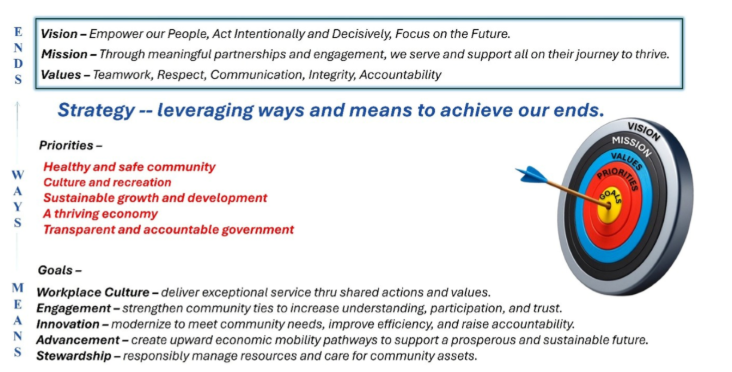
Cabarrus County's strategic plan comprises enduring principles. It provides a focused framework that aligns organizational direction, guides decisionmaking, and supports longterm planning. CabCo's strategic plan delineates what we do (means), how we do it (ways), and what we're trying to achieve (ends). Since the county's inception, there have been four updates to the strategic plan. The latest occurred in late 2023. Developed through a comprehensive process involving Board guidance, staff participation, and community input, the plan clarifies priorities and establishes a practical structure for evaluating performance, aligning resources, and adapting to changing needs. Aligning the budget with strategic priorities ensures the County is positioned to hit its targets and make measurable progress. This leadershipdriven approach supports organizational alignment, strengthens departmental decisionmaking, and ensures that budgeting, planning, and service delivery all reflect shared goals.